Learn what TANF is, who qualifies, how to apply for TANF, and what TANF benefits may include.
Apply for TANF: eligibility and application steps
TANF is administered by states, territories, and tribes.
So the exact rules, forms, and office names can look different depending on where you live.
That is why the safest starting point is always your official state or tribal TANF agency.
USA.gov is a reliable government directory to begin your search if you are unsure which office handles it in your area.
Step-by-step: how to apply for TANF
- Find your local TANF program contact.Start with your state or tribal government benefits pages, or the official directory on USA.gov.
- Choose your application method.Many programs offer online applications, and most can also take applications by phone, mail, or in person.
- Complete the application with your household details.Be consistent about who lives with you, who is a parent or caretaker, and who needs help.
- Submit requested documents.If something is missing, submit what you have and ask what alternatives are accepted.
- Attend any required interview or appointment.Some programs use interviews to confirm details and explain next steps.
- Watch your mail, email, and online notices.Many delays happen when a request for information is missed.
Who may qualify for TANF
TANF is designed to help families with children who are experiencing low income.
Within federal rules, states and tribes have significant flexibility to set eligibility standards and benefit rules.
In plain terms, eligibility often depends on factors like household composition, income, and state-specific requirements.
Some families also qualify for TANF-funded services even if they are not receiving ongoing cash assistance, depending on local program design.
If you are searching for “assistance for needy families,” TANF is one of the main programs people mean.
But your local agency is the only place that can confirm eligibility for your exact situation.
What to gather before you apply
Your local office will tell you exactly what they need.
Still, most TANF applications go faster when you have these basics ready.
- Proof of identity.This might be a state ID, driver’s license, or another document your program accepts.
- Proof of residency.A lease, utility bill, or official mail is often used, depending on local rules.
- Proof of income.Pay stubs, benefit letters, or self-employment records are common examples.
- Information about children in the household.This may include birth information, school information, or childcare arrangements if requested.
- Any official notices you already received.If you started an application earlier, bring your case number or reference details.
What happens after you submit the application
Most programs review your application, verify details, and may schedule an interview.
If anything is missing, they usually send a notice asking for more information.
A simple habit that helps is saving every confirmation page and every notice.
If you apply online, download or screenshot the submission confirmation.
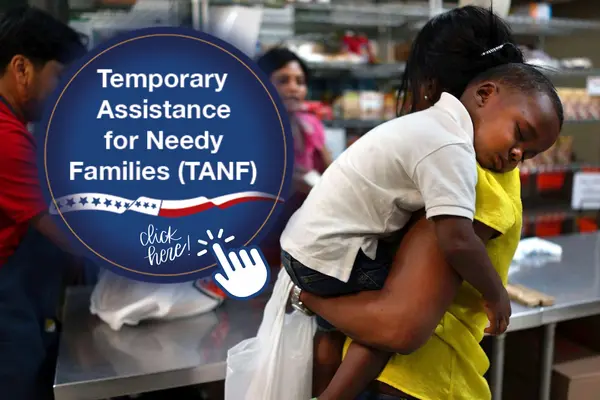
TANF temporary assistance for needy families: what it is
TANF stands for Temporary Assistance for Needy Families.
It is a federally funded, state-run program that many people still call “welfare.”
TANF exists to support families with children while encouraging economic stability through work supports and related services.
Because it is a block grant, states and tribes can design programs differently, including what benefits they offer and how they deliver them.
If you have seen the phrase “tanf temporary assistance for needy families,” that is simply another way people label the program online.
The official program name is Temporary Assistance for Needy Families, commonly shortened to TANF.
Why TANF looks different from state to state
Federal law sets core rules and goals.
But states and tribes decide many practical details, including how much cash assistance is offered, how long it can last under state rules, and what participation requirements apply.
That is why two families with similar circumstances can have different experiences in different states.
It is not that one family did something wrong.
It is that TANF is designed to be locally administered.
TANF benefits: what temporary assistance can include
When people think of TANF, they often think of monthly cash assistance.
That can be part of TANF, but TANF funds can also support other services and short-term help, depending on local programs.
USA.gov summarizes TANF as help that can support basic needs like food, housing, home energy, and child care.
Many programs also offer job training or education support connected to work goals.
Common types of TANF-funded support
- Basic cash assistance for eligible families.This is often the support people mean when they say “temporary assistance.”
- Help paying for child care.Some programs use TANF funds to support parents while they work or attend approved activities.
- Transportation or work supports.Local programs may help with costs that directly support employment and stability.
- Short-term emergency help.TANF can fund emergency, short-term assistance for urgent needs in some cases.
- Job preparation and training.Some states connect TANF participation to job readiness services and work programs.
How TANF assistance is delivered
Delivery methods vary.
Some states issue cash assistance through electronic payment methods, while others may use different approved systems.
Your local agency will explain how your benefits are delivered and what reporting rules apply.
If you ever feel unsure, ask for a written summary or a reference to the official handbook for your program.
Work rules and time limits for temporary aid for needy families
TANF is intended to be temporary support, not permanent income.
Federal law includes work participation expectations and a lifetime time limit on federally funded assistance for most families with an adult.
A commonly cited federal rule is a 60-month lifetime limit on federally funded TANF assistance for families that include an adult, with limited exceptions.
States can also set shorter time limits, and states may use state funds differently under certain conditions.
What “work participation” can mean in real life
Work participation rules can include employment and certain approved work activities.
States decide the details of what counts, how hours are tracked, and what exemptions apply.
If your program requires participation, treat it like a standing appointment.
Consistency matters.
Missing activities without reporting can lead to sanctions or reduced benefits in some states.
How to stay compliant without burning out
- Ask your worker for the exact participation rules in writing.This helps you avoid misunderstandings about hours, schedules, and acceptable activities.
- Report barriers early.If childcare, transportation, or health issues are blocking you, tell your caseworker before you miss requirements.
- Keep simple records.Save pay stubs, attendance logs, and appointment summaries if your program requires verification.
- Update contact information immediately.Many benefit problems start with missed mail and missed deadlines.
Emergency help and non-monthly temporary assistance
Not all TANF support is a monthly check.
Some TANF programs also use funds for emergency short-term cash assistance for families facing acute hardship, depending on local rules.
This can matter if your crisis is immediate, like a sudden food shortage or a short-term gap caused by job loss.
If you are in a crisis, ask your local office whether it offers emergency or short-term assistance funded through TANF.
What to say when you call
You do not need perfect wording.
You just need clarity.
- Say that you are asking about TANF and whether emergency help is available.Use the phrase “short-term assistance” if that is how your state describes it.
- Explain your situation in one sentence.For example, “I lost my job and I have children, and I need help while I apply and interview.”
- Ask what the next step is today.That question keeps the call practical and reduces overwhelm.
Renewals, reporting changes, and keeping assistance active
Many TANF programs require periodic reviews.
You might hear this called recertification, renewal, or redetermination.
Even if you still qualify, benefits can pause if paperwork is late.
That is why reporting changes and responding to notices quickly is so important.
Changes you should ask about reporting
Every state has its own reporting rules.
So instead of guessing, ask your program what must be reported and when.
- Income changes.Starting work, losing work, or a change in hours can affect eligibility and benefit amounts.
- Household changes.Moving, marriage, separation, or changes in who lives in the home can matter.
- Childcare changes.If childcare affects your ability to meet participation requirements, report it early.
- Address and phone number changes.This is one of the most important updates, because missing a notice can stop benefits.
How to find trustworthy TANF help near you
If you search online, you will find a lot of “apply now” pages.
Some are helpful.
Some are confusing.
Some are simply trying to collect your information.
The safest approach is to use official government sources first.
USA.gov provides a clear overview of welfare benefits and points you to the correct state or tribal program.
Safe ways to get help with your TANF application
- Start with USA.gov welfare and benefits pages.They explain TANF at a high level and guide you to state-run programs.
- Use your official state or tribal human services website.Look for pages that clearly describe TANF or cash assistance programs.
- If you are unsure where to begin, use the USA.gov Benefit Finder tool.It can help you see programs you may qualify for, including related supports.
- When in doubt, call the local office using a verified number.Ask for the office name, address, and where to submit documents.
TANF and other programs that can strengthen your safety net
TANF is often one piece of the puzzle.
Many families combine TANF with other supports that reduce pressure on groceries, housing, and health costs.
Your state agency or benefit finder tools can help you identify other programs you may qualify for.
If TANF takes time to process, this can make a real difference.
Examples of supports families commonly explore
- Food assistance programs.Many families look at SNAP and WIC depending on household needs.
- Health coverage programs.Medicaid and CHIP can help with medical coverage for adults and children who qualify.
- Energy assistance and housing supports.Some programs support heating and utility costs, depending on eligibility and funding.
- Childcare supports.Some states offer subsidies that help parents work or attend approved training.
Common mistakes that slow TANF approval
Most TANF delays come from a few predictable issues.
Fixing them is usually about communication and documentation, not perfection.
A quick “avoid the delay” checklist
- Submitting an application with missing household details.Double-check names, relationships, and basic information before you submit.
- Missing a request for documents.Open every notice, and submit documents as soon as possible.
- Skipping an interview or appointment.If you cannot attend, call to reschedule right away.
- Not updating your address.If you moved, update your address with the agency immediately.
- Relying on unofficial websites for instructions.Use verified state, tribal, USA.gov, or HHS/ACF sources whenever possible.
Important disclaimer
This content is independent and has no affiliation, sponsorship, or control over any government agency, institution, platform, or third party referenced.
TANF rules vary by state, territory, and tribe.
For official guidance, eligibility decisions, and case-specific questions, contact your local TANF agency through verified government sources.
Next steps: the simplest way to move forward today
You do not need to do everything at once.
You only need the next right step.
- If you want to apply for tanf today, find your official state or tribal TANF page and start the application.Submit it even if you still need one document, and ask what alternatives are accepted.
- If you need temporary assistance immediately, call your local office and ask about emergency help and short-term options.Use the phrase “temporary aid for needy families” if that is the wording your state uses.
- If you are overwhelmed, use the USA.gov Benefit Finder tool to see what else you may qualify for.Building a small safety net often creates the breathing room you need.