Free phones for low income through Lifeline program
Learn how free phones for low income work with Lifeline, eligibility rules, providers, and safe enrollment steps.
The honest answer is that the Lifeline benefit can lower the cost of phone service for eligible households, and some participating providers may include a free or discounted device.
What you should not expect is a guaranteed brand-new flagship phone “from the government,” because device offers are controlled by government phone companies that participate in the program, not by the program itself.
Important notice: This content is independent and informational.
We are not affiliated with, sponsored by, or in control of Lifeline, the FCC, USAC, or any provider mentioned, including Assurance Wireless.
Program rules, eligibility requirements, plan details, and device availability can change, and offers vary by state and provider inventory.
Free phones for low income: what Lifeline really provides
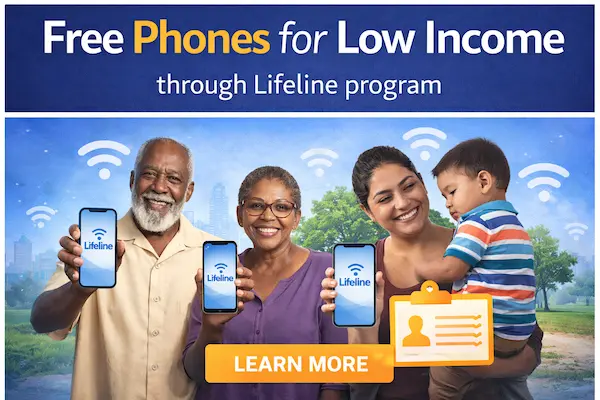
Free phones for low income through Lifeline usually means you can qualify for a benefit that reduces your monthly service cost, and a provider may add a phone promotion.
In other words, Lifeline is mainly designed to make phone service affordable, while “Lifeline free phone” depends on which provider you choose and what they have available.
That’s why you’ll see people searching for Free Government Phone and expecting a single official offer.
In reality, Lifeline works through approved providers, and each one sets its own device offers and plan details.
This is also why the internet is full of phrases like Free Phones Government Phones and even Government Phones Government Phones.
Most of the time, those repeated phrases are just SEO variations pointing back to the same idea: affordable service for eligible households.
What you can realistically expect
- Low-cost or $0 monthly service in many cases, depending on the plan and your area.
- A free or discounted smartphone sometimes, based on current provider inventory.
- Bring Your Own Phone options, which can be perfect if you already have a device you like.
- Support rules and verification steps that protect the program and confirm eligibility.
Lifeline phone: how the program connects to your service
A Lifeline phone is simply a phone service plan that uses the Lifeline benefit to reduce your cost.
That plan can come from different government phone companies that participate in Lifeline in your state.
Some companies market it as “government phone service,” because the discount is tied to a federal program.
Even so, the phone service is still provided by the company you enroll with, under that company’s terms.
So when you see “government phone companies” in search results, you can think of it as “providers that are approved to offer Lifeline-supported plans where you live.”
Your best results come from focusing on eligibility and provider availability first, and device hype second.
Free government phone: who usually qualifies
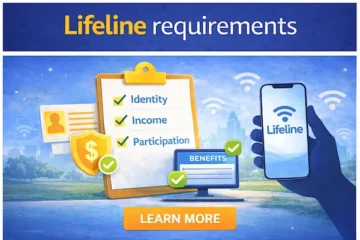
Free government phone offers are usually tied to Lifeline eligibility, which is typically based on income or participation in qualifying assistance programs.
If you already receive benefits such as Medicaid or SNAP, you may have a clearer path to eligibility, depending on current rules in your state.
If you qualify by income, you’ll typically need to show proof that your household income meets the program guidelines.
That’s why the phrase free phones for low income is so common, because eligibility is the real gatekeeper.
Once you’re eligible, you can compare providers, plans, and device availability in your area.
Common eligibility themes you’ll run into
- Income-based eligibility using household income guidelines.
- Program-based eligibility through approved assistance programs.
- One benefit per household, which prevents multiple Lifeline enrollments at the same address.
- Ongoing verification, which may include recertification to keep the benefit active.
Lifeline with free phone: what makes an offer legitimate
Lifeline with free phone can be legitimate, but you should judge it by transparency, not by the headline.
A real offer clearly explains eligibility, what plan you’re enrolling in, what you pay (if anything), and what phone you may receive.
A risky offer pushes you to “claim now” without explaining verification or the provider’s terms.
This is where many people get stuck, because scams often look like normal sign-up pages.
The safest mindset is to assume you are enrolling in service first, and receiving a device only if it’s included under stated terms.
Signs an offer is worth your time
- The provider explains the Lifeline benefit and eligibility requirements clearly.
- The plan details include talk, text, and data information in plain language.
- The device terms mention availability, shipping, and replacement rules.
- The enrollment steps include verification, not “instant approval with no questions.”
Free phones for low income: step-by-step enrollment that avoids mistakes
If you want free phones for low income without wasting time, the best approach is a simple, careful enrollment flow.
You’ll get better results by confirming eligibility first, then selecting a participating provider, then confirming the device offer in writing.
That order protects you from misinformation and keeps your application clean.
- Confirm eligibility using income or approved program participation.
- Gather proof documents such as benefit letters or income records if requested.
- Compare participating providers that serve your state and zip code.
- Review plan terms for data, coverage, hotspot, and any usage requirements.
- Check device details including whether it’s new or refurbished and what replacements cost.
- Submit your enrollment through a secure, legitimate provider channel.
- Save confirmations like emails, reference numbers, and screenshots for support later.
This is the fastest way to turn a search like Free Government Phone into an outcome that actually works.
Assurance Wireless Lifeline program: what you should know
The Assurance Wireless Lifeline program is one example of a provider-branded Lifeline offering, and availability can depend on your location.
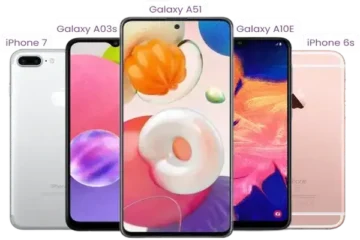
That’s why people search for Assurance Wireless phones and try to figure out what devices are currently included.
You’ll also see variations like Assurance Wireless free phone and Assurance Wireless free cell phone because device inventory can change over time.
If you see Free Phone From Assurance Wireless in your searches, treat it as a provider promotion that may be available in some areas and not others.
In practice, the best way to evaluate it is to focus on the plan details, coverage, and device terms, not just the promise of a “free phone.”
And yes, terms like Lifeline program Assurance Wireless appear online because people are trying to connect the provider name with the program benefit.
Smart checks to make before you choose Assurance Wireless
- Coverage quality where you live, work, and commute.
- Plan data details, including what happens after heavy usage.
- Device availability, including whether you can pick a model or if it’s assigned.
- Replacement rules for lost, stolen, or damaged phones.
If a promotion mentions a Free Assurance Wireless cell phone, verify whether it’s limited-time and whether it requires specific enrollment steps.
Free iPhone government phone: what’s realistic and what’s marketing
Free iPhone government phone searches are common because you want a dependable smartphone and iPhones feel familiar.
The realistic expectation is that Lifeline does not promise a specific brand, and any iPhone-related offer would come from a provider promotion, not from Lifeline itself.
That’s why you’ll see search variations like Free iPhone Government Phone and Free Government I Phone across different pages.
Sometimes those pages are just describing “a phone offer” while using the iPhone name to get attention.
If you truly need an iPhone, the most reliable strategy is often to bring your own iPhone and use Lifeline to reduce your monthly service cost.
That approach can still help you achieve the main goal behind free phones for low income, which is stable, affordable connectivity.
Government phone companies: how to compare providers the right way
Government phone companies in this context are simply companies that participate in Lifeline and offer plans in your region.
The right comparison is not “who promises the fanciest phone,” but “who offers reliable coverage and plan terms you can live with.”
When you compare providers, pay attention to the details that affect daily life.
Data speed, hotspot rules, and customer support can matter more than the phone model you receive.
A simple provider comparison checklist
- Coverage in your specific neighborhoods.
- Data allotment and what happens after the allotment.
- Hotspot availability and limits.
- Device terms including warranty and replacements.
- Support quality for activation issues and account updates.
This is how you avoid getting pulled into confusing keyword traps like Free Phones Government Phones that don’t tell you anything about the plan.
Lifeline free phone: the most common mistakes to avoid
If you want a Lifeline free phone experience that goes smoothly, you need to avoid the mistakes that cause delays and denials.
Most issues happen when people apply through questionable pages, submit inconsistent information, or assume a phone is guaranteed without reading terms.
These mistakes are easy to prevent when you slow down for five minutes and verify what you’re agreeing to.
Common mistakes that cost you time
- Applying through a page that does not clearly identify a legitimate participating provider.
- Using a nickname or mismatched address that doesn’t match your eligibility documents.
- Assuming an iPhone is included because the page uses “Free iPhone Government Phone” language.
- Not saving confirmation details, making it harder to resolve issues with support.
- Ignoring renewal or recertification messages and losing the benefit unexpectedly.
Free phones for low income: what to do next to get results fast
If your goal is free phones for low income, your next best step is to confirm eligibility and then compare participating providers in your exact area.
From there, choose a plan with coverage you trust and terms you understand, and treat the phone as a bonus if it’s included.
This mindset gives you control, and it keeps you from getting dragged around by confusing phrases like Government Phones Government Phones.
You deserve a clear process and a real outcome, not endless searching.
Once you follow the steps, you’ll stop guessing and start choosing the offer that actually fits your life.