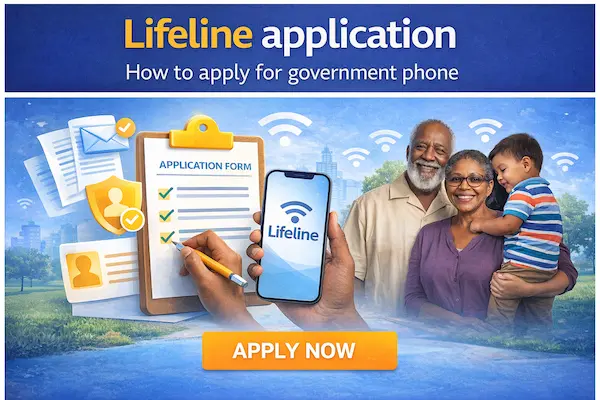
Lifeline application – How to apply for government phone
If you’re trying to apply for government phone support, you want a straight answer and a safe way to do it.
The real path is the Lifeline application, which checks eligibility first, then lets you choose a participating provider for service.
Many people call this a “government phone,” but it’s important to know the government doesn’t ship phones directly to you.
Instead, approved providers deliver the service, and sometimes they include a phone depending on the current offer and inventory.
Important notice: This article is independent and informational.
We are not affiliated with, sponsored by, or in control of Lifeline, the FCC, USAC, the National Verifier, or any provider mentioned.
Plan details, device availability, and eligibility rules can vary by state and can change over time.
Apply for government phone: what you’re really applying for
When you Apply For Government Phone offers online, you are usually applying for the Lifeline discount application.
Lifeline is a federal benefit that helps eligible households reduce the cost of phone or internet service.
That’s why you’ll also see people searching for how to get a free government cell phone and expecting one universal program.
In reality, the benefit is standardized, but the plans and phones depend on government phone companies that participate in your area.
So yes, you can apply for free government phone offers.
Just remember the “free phone” part is often a provider promotion, while Lifeline is the underlying benefit that makes service affordable.
Lifeline application: the two safe ways to apply
You typically have two legitimate routes for a Lifeline application, and both start with eligibility verification.
The first route is applying through the official Lifeline support system, which many people describe as the LifelineSupport.org application.
The second route is applying through a participating provider that submits or connects your application through the proper channels.
This is why you’ll see phrases like Lifeline phone application and Lifeline phone application online used interchangeably.
They usually refer to applying for Lifeline eligibility and then enrolling in phone service.
Pick the route that fits your situation
- Apply through Lifeline support first if you want to confirm eligibility before choosing a company.
- Apply through a provider if you already know the provider serves your zip code and you like their plan.
- Use the official process if you want a cleaner paper trail and fewer surprises later.
National Verifier application: why it matters more than any “free phone” ad
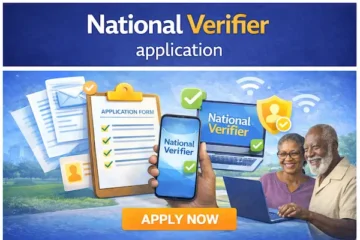
The National Verifier application is the eligibility checkpoint that determines whether you qualify for Lifeline.
If you skip this reality, you can end up stuck in “pending” status, uploading documents repeatedly, or enrolling through the wrong channel.
That’s why you’ll see searches like start Lifeline application and apply Lifeline program.
People want the official start line, not a marketing funnel.
If a website promises instant approval without eligibility checks, treat that as a major red flag.
Lifeline application form online: what you need before you start
Before you open a Lifeline application form online, set yourself up for a smooth experience with a simple checklist.
You don’t need to overthink it, but you do need consistent information.
Your name, date of birth, address, and eligibility pathway should match your documents.
If anything is inconsistent, your application may pause for manual review.
What you’ll commonly be asked to provide
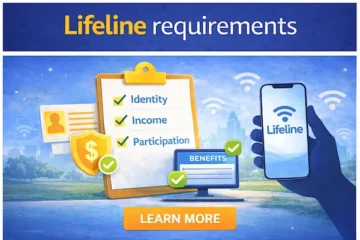
- Identity details that match your official records.
- Address information to confirm household rules.
- Eligibility proof based on income or participation in qualifying programs.
- Program documentation if automatic verification is not possible.
If you’re searching for a free Medicaid cell phone application, keep in mind Medicaid is often used as a qualifying pathway.
Still, qualifying does not guarantee a specific phone model, because devices depend on provider offers.
Apply for government phone: step-by-step, without the confusion
If you want to Apply For Government Phone assistance the right way, follow a simple sequence that protects you from scams and delays.
Think of it as eligibility first, provider second, phone third.
- Confirm your eligibility path using income rules or qualifying assistance participation.
- Start the Lifeline application through the official system or a participating provider.
- Complete the National Verifier application steps and submit requested information.
- Respond quickly if you’re asked for documents to verify identity, address, or eligibility.
- After approval, choose a provider and enroll in a plan available in your zip code.
- Confirm device terms if the provider offers a phone, including whether it is new or refurbished.
- Save confirmation details like application IDs, emails, and screenshots.
This exact order is how you turn “how do I get a free government cell phone” into a real outcome.
It also helps you avoid fake pages that push a phone first and hide the eligibility process.
Lifeline phone service application: what happens after approval
After approval, your Lifeline phone service application becomes a provider enrollment process.
At that point, the provider manages your service, your plan features, and any phone shipment if a device is included.
This is also when people start searching “government phone companies” because they want the best plan in their area.
That’s a smart move, because coverage and support quality can matter more than the phone itself.
What to verify when you enroll in service
- Coverage where you live, work, and travel.
- Data limits and what happens after you use your high-speed allotment.
- Hotspot rules if you rely on tethering for work or school.
- Device replacement policies for loss, damage, or malfunction.
- Customer support options for activation, SIM issues, and account updates.
Lifeline internet application: how it differs from phone enrollment
A Lifeline internet application follows the same eligibility logic, but the service type is different.
Some providers focus on wireless plans, while others focus on home internet or fixed services in certain locations.
This is why you’ll also see searches like apply for Lifeline internet and how to apply for Lifeline internet.
In simple terms, you apply once for eligibility, then you choose the provider and the service type you want.
If you see Lifeline application for internet or Lifeline broadband application, it’s usually describing the same goal with slightly different wording.
If you need a landline-style option, you may also see the phrase Lifeline telephone application, depending on what is available in your state.
AT&T Lifeline application, Spectrum Lifeline application, and carrier-style searches
You might search AT&T Lifeline application or Spectrum Lifeline application because you want a recognizable name.
That makes sense, because you want reliability and decent coverage.
Still, the most important point is availability, because not every provider offers Lifeline in every area in the same way.
So instead of assuming a single company is your only option, compare what providers near you actually offer today.
This approach saves time and helps you avoid enrolling in something that doesn’t work where you live.
Assurance Wireless application: how provider applications fit into Lifeline
An Assurance Wireless application is a provider-based path that can connect you to Lifeline-supported service if the provider serves your location.
That’s also why people type Apply To Assurance Wireless when they want a direct enrollment route.
You may even see searches like Assurance Wireless com application because users are trying to find the official provider website.
If your intent is a device offer, you’ll see phrases like Assurance Wireless free phone application and application for Assurance Wireless free phone.
Those keywords usually reflect a provider promotion, not a promise from Lifeline itself.
So if you’re pursuing this route, focus on the plan terms, coverage, and device rules rather than just the headline.
Use this provider safety checklist
- Confirm the provider serves your zip code before you submit personal information.
- Read plan details for data, speeds, and any usage requirements.
- Check device terms including whether the phone is assigned and whether it may be refurbished.
- Save confirmation info so you can follow up if anything stalls.
How can I get a free government cell phone without getting scammed?
If you keep asking, how can I get a free government cell phone safely, your answer is verification and transparency.
Legitimate paths explain the Lifeline benefit, require eligibility confirmation, and provide clear support channels.
Scammy paths rush you, promise guaranteed premium phones, and avoid explaining the Lifeline process.
If a page refuses to explain the National Verifier application step, it’s not a good sign.
If a page demands unusual fees up front without clear plan details, step back and verify the source.
ACP Lifeline application: what to know if you see outdated advice
You may still find guides mentioning an ACP Lifeline application, because ACP used to help with internet affordability.
However, ACP ended due to lack of additional funding, so older articles may be outdated even if they rank well in search.
That’s why your best move is to focus on Lifeline’s current eligibility and provider options, not on expired program combinations.
If a page is selling you a promise based on ACP today, treat it as outdated at best and misleading at worst.
Apply for Lifeline program
You might type apply for Life Line instead of Lifeline, and that’s more common than you think.
You might also type apply for Lifeline program because you want the official benefit, not a random promotion.
Either way, the winning move is the same.
Confirm eligibility through the proper verification process, then enroll with a participating provider that serves your area.
If you stick to that structure, you can ignore the noise and focus on real results.
Apply for government phone: your fastest next step
If you want to Apply For Government Phone support today, your fastest next step is to start the official Lifeline eligibility process and prepare your documents.
Then you choose a participating provider based on coverage, plan details, and support quality.
Finally, you confirm whether a phone is included and what the device terms are before you commit.
That’s how you move from searching to getting connected, without wasting time or risking your personal information.