Lifeline benefits: what you get, how it works, and how to claim it safely
Lifeline benefits are a federal discount that helps eligible households lower the monthly cost of phone service, internet service, or both, depending on what providers offer where you live.
Sometimes a provider may include a free or discounted phone as a promotion, but the phone itself is not guaranteed by the program.
Important notice: This article is independent and informational.
We are not affiliated with, sponsored by, or in control of Lifeline, the FCC, USAC, the National Verifier, or any provider mentioned.
Providers control their own plans, pricing, and device inventory, and program rules can change over time.
Lifeline benefits: what you can realistically expect
Lifeline benefits are designed to make basic connectivity affordable, so you can stay reachable for work, school, healthcare, and family.
In practical terms, you can expect a discount applied to an eligible service plan through a participating provider.
That is why you’ll see phrases like Lifeline assistance program used online, because it truly is an assistance benefit.
If your main goal is a device, you’ll often run into wording like Lifeline free phone and Lifeline with free phone.
Those phrases usually refer to provider offers that use the Lifeline discount and may add a phone promotion if available.
So yes, a free cell phone program can exist in the sense that a provider may include a phone at no cost.
But the consistent, reliable value is the monthly affordability that comes from the Lifeline discount itself.
What many people get from Lifeline in real life
- Lower monthly cost for phone service, internet service, or a bundled option when offered.
- Access to a Lifeline free phone service plan with provider-specific talk, text, and data terms.
- A phone promotion sometimes, which is why “Lifeline free cell phone” appears in searches.
- More stability so you are not constantly choosing between bills and staying connected.
Lifeline benefits and the “free phone government program” confusion
When you see the phrase free phone government program, it can make you think there’s one single website that ships phones to anyone who asks.
That is not how it works, and that misunderstanding is exactly what scammers and misleading pages try to exploit.
Lifeline is the benefit, and providers are the ones who deliver service and any device promotions.
That’s why some pages use repeated phrases like free phone Lifeline program and Lifeline program free cell phone to cover lots of search terms.
The safe way to think about it is simple.
You apply for eligibility first, then you choose a legitimate provider, then you confirm the exact plan and phone terms.
Lifeline assistance program free phone: when it can happen
Lifeline assistance program free phone offers can happen when a provider bundles a device promotion with a Lifeline-supported plan.
When it happens, it may depend on your state, your zip code, and what the provider has in stock.
It can also depend on whether you already used a device offer before, because some providers limit upgrades and replacements.
So if you see “free phone” language, your job is to confirm the terms and avoid assuming the phone is guaranteed.
This is also why you may see both Lifeline free phone and Lifeline free phone service listed side by side.
One phrase focuses on the device, and the other focuses on the plan.
For long-term value, the plan terms matter more than the phone model.
Lifeline benefits eligibility: how people usually qualify
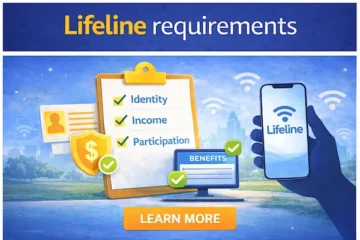
To receive Lifeline benefits, you generally qualify through income guidelines or participation in certain assistance programs.
If you qualify through a program, verification can sometimes be simpler because your participation may be confirmed automatically.
If you qualify by income, you may need to provide proof like pay stubs or a tax document, depending on what is requested.
Either way, the process is meant to confirm you meet eligibility rules and protect the program from duplicates.
That “duplicate protection” is also why Lifeline is typically limited to one benefit per household.
If multiple households live at one address, you may need to explain that they are separate households that do not share income and expenses.
Lifeline free phone application: the safest step-by-step process
If you’re ready to move forward, the safest route is to treat your Lifeline free phone application as an eligibility application first.
Once you’re approved, you can shop provider offers without pressure and without guessing.
This approach also helps you avoid fake pages that promise premium devices with no verification.
- Decide how you qualify using income-based eligibility or program participation.
- Start the Lifeline application through the official eligibility verification flow.
- Enter your information consistently, using your legal name and correct address format.
- Submit documents only if requested, and make sure they are clear and current.
- Save your confirmation details, including any application or reference number.
- After approval, compare providers that serve your zip code and fit your needs.
- Confirm device terms if a provider advertises a free phone, including replacement policies.
This is how you turn “free phone” searching into a clean process you can actually finish.
Lifeline internet discount: what to know before you choose internet
Many people only think about phones, but Lifeline internet discount searches are growing for a reason.
If you work online, manage benefits online, or have kids doing schoolwork online, internet support can be just as important as phone support.
The key is that Lifeline can apply to phone or internet service depending on provider offerings in your area.
So if you need internet, look for a provider that clearly offers Lifeline-supported internet service and explains the plan details.
Also pay attention to equipment fees, installation requirements, and whether the plan has data limits or speed policies.
When you choose based on clarity instead of hype, you protect yourself from surprise charges and disappointment.
Free phones for SNAP: how that connection usually works
If you searched free phones for SNAP, you’re usually asking whether SNAP participation can help you qualify.
In many cases, SNAP is a common eligibility pathway used to qualify for Lifeline, depending on current program rules.
What that means for you is simple.
If you qualify through SNAP, you still must complete eligibility verification, and then you still choose a provider.
After that, whether you receive a phone depends on the provider’s current device offer and inventory.
So SNAP can help open the door, but it does not automatically guarantee a specific phone.
Assurance Wireless free government phones: how to read that promise correctly
You may see searches like Assurance Wireless free government phones and wonder if that is a special program.
Typically, it’s a provider offer that may include a phone promotion alongside Lifeline-supported service, depending on availability in your area.
Assurance Wireless is a provider name, and Lifeline is the benefit that helps reduce service cost for eligible households.
So your smartest move is to check whether the provider serves your zip code and then read the plan and device terms carefully.
When you do that, you stop guessing and start choosing based on what you will actually receive.
SafeLink government free phone: another provider-branded search you’ll see
SafeLink government free phone is another example of a provider-branded phrase you might run into while comparing options.
Just like other providers, the most important question is whether the provider is offering Lifeline-supported service in your area right now.
Then you check plan details, including data policies and any rules that could affect your service.
Finally, you confirm whether a phone is included and what the device terms say about replacements and upgrades.
This three-step thinking keeps you safe, even when the marketing language feels overly confident.
Telephone number for Lifeline: when calling support makes sense
Sometimes you will prefer to apply online, and sometimes you will want real help from a human.
That is why people search for the telephone number for Lifeline, especially when an application status seems stuck.
If you need help, it’s smart to have your application details ready before you call.
Your name, date of birth, address, and any application reference number can make support much faster.
Also, if you received a letter or notice, follow the instructions on that notice because it may relate to recertification or a specific deadline.
When you call prepared, you feel in control instead of frustrated.
Lifeline free cell phone service: what “free” really means
Lifeline free cell phone service often means the monthly service cost can be reduced enough that it feels like $0 to you.
However, plan features like data amount, hotspot, and speeds depend on the provider and the plan you select.
That’s why it’s normal to see both Lifeline free phone service and Lifeline free cell phone used together in search results.
One points to the plan affordability, and the other points to the device promotion.
If you want fewer surprises, focus first on the plan details you need to live your life.
Then, treat the phone as a bonus if it is included under clear terms.
Lifeline benefits: scams to avoid and signals to trust
Because “free phone” is a popular topic, scammers and misleading pages try to copy official language.
So the best protection is knowing what legitimate processes usually include.
Legitimate paths explain eligibility requirements, use verification, and clearly disclose plan terms.
Risky paths push urgency, promise guaranteed premium devices, and avoid explaining eligibility verification.
Red flags that should make you pause
- Promises of guaranteed newest phones with no eligibility verification.
- Requests for unusual payments before any plan details are disclosed.
- Pages that do not clearly identify the provider and its service area.
- Pressure tactics that try to rush you into sharing sensitive information.
Green flags that usually mean you’re in the right place
- Clear explanation of Lifeline eligibility and the one-per-household rule.
- Transparent plan details for talk, text, data, and any speed policies.
- Clear device terms when a phone is offered, including replacement policies.
- Support options and confirmation details you can save for later.
Lifeline program free cell phone: how to get the best outcome
If your goal is a Lifeline program free cell phone outcome, your best strategy is to optimize for certainty.
Certainty comes from approval first, then provider comparison, then device confirmation.
When you do it this way, you can confidently choose between options that fit your coverage needs and budget reality.
That’s how you avoid endless browsing and get to an actual working phone line faster.
And once you are enrolled, remember that staying eligible can require responding to recertification requests if you receive them.
When you keep your contact information updated and watch for notices, you reduce the risk of service interruption.
Your next step with Lifeline benefits
If you’re ready to use Lifeline benefits, start by confirming how you qualify and then complete eligibility verification through official channels.
After approval, compare providers by coverage, data policies, and support quality, not just device promises.
Then, if a provider offers a phone, confirm the device terms in writing before you commit.
That’s the calm, safe, and effective way to get connected without falling for hype.