How to get free govt phones via the Lifeline program
Discover how free govt phones work with Lifeline, check eligibility, choose providers, and apply fast today.
Also read:
- Lifeline requirements and documents checklist
- National Verifier application: how eligibility is verified
- Lifeline application: apply for government phone safely
- SafeLink Wireless Lifeline plans and free phone options
- Free iPhone Lifeline: rules and real availability
How does the Lifeline program work?
Lifeline is a federal benefit that lowers the monthly cost of phone or internet service for eligible low-income households.
In practice, you apply for eligibility first, and then you choose a participating company that delivers the actual plan, SIM, and device options.
The standard Lifeline discount is up to $9.25 per month, and households on Tribal lands may qualify for an enhanced discount of up to $34.25 per month.
That discount is applied to a qualifying service, and the “free” part you see in ads usually happens when a provider combines the Lifeline discount with its own promo pricing or device inventory.
It also matters that Lifeline is limited to one benefit per household, not one per person.
To find real options near you, the most reliable approach is using USAC’s Companies Near Me search, because availability changes by state and ZIP code.
Notice: This content is independent and informational.
We do not have affiliation, sponsorship, or control over the Lifeline program, the FCC, USAC, or any company mentioned below.
Would it be possible to get a free government phone?
Yes, it can be possible to receive a Lifeline phone at no upfront cost, but it depends on the provider, your state, and current inventory.
Lifeline itself is a service discount, so the device is not guaranteed by the government as a universal promise.
What many people call free govt phones or government phones is typically a Lifeline-supported plan where the provider offers a basic smartphone for free, or offers an upgrade for a small fee.
Because phone models rotate, you’ll often see claims like free government smartphones or free 5G government phones, and those can be true in some areas, but only when that provider is actively offering them where you live.
If you already have a compatible phone, another common path is using a Lifeline plan with BYOD and just activating a SIM, which can be faster than waiting for shipping.
Either way, you protect yourself by verifying that the company is a legitimate Lifeline provider in your state, and by reading plan details before you submit documents.
Also read: Free government cell phones offers for low income
Lifeline benefits
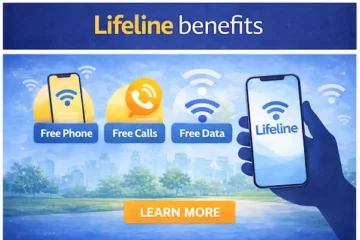
The biggest benefit is simple: Lifeline helps lower the monthly cost so you can keep service active for jobs, school, healthcare, and emergencies.
Depending on where you live and which provider you choose, the plan may include talk, text, and data with no monthly bill after the Lifeline discount is applied.
That’s why people search for lifeline free phone offers, because some providers pair the discount with a device promotion.
Another advantage is flexibility, since you can usually switch providers if your service or coverage is not working for your neighborhood.
USAC also runs the eligibility process and requires ongoing compliance, including keeping your information updated and completing recertification when requested.
Once you understand that structure, it becomes easier to compare government phone companies without getting distracted by hype.
Get a free iPhone via Lifeline
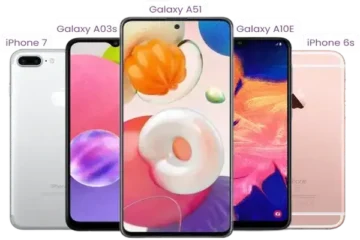
You may see ads for a free government iPhone or a free iphone government phone, and sometimes providers do offer iPhones as limited-time promotions or paid upgrades.
Still, you should treat “free iPhone” as provider-specific, because Lifeline rules do not promise a particular brand or model.
Some companies advertise iPhone availability alongside Lifeline plans, while others offer Android devices only, and inventory can change quickly.
A smart way to shop that idea is to confirm three things before you get excited: your state offer, the exact device terms, and whether there is any required co-pay, shipping fee, or upgrade payment.
If you care about 5G, ask whether the offer is truly one of the free 5G government phones in your ZIP code, and whether the plan includes enough high-speed data for what you actually do each day.
When the device matters a lot to you, using a compatible phone you already own can be the most reliable option, because you’re not dependent on fluctuating stock.
Also read: How to get a free smartphone from carriers using Lifeline
Free phone companies (Lifeline providers)
When you’re comparing free govt phones offers, remember that the provider is the one setting plan details, coverage partners, shipping timelines, and device choices.
So instead of asking “Which one is best for everyone,” you’ll get better results by asking “Which one is best for my state, my coverage area, and my device needs.”
Below are examples of brands you may see promoted as Lifeline options, and your best next move is to confirm availability in your area before applying.
TruConnect
TruConnect markets Lifeline-supported service and commonly highlights free or low-cost options for qualifying applicants depending on the state.
If you’re considering TruConnect, focus on coverage where you live and whether you prefer shipping a device or activating your own phone.
This is also the moment to confirm what “free” means for the specific plan, because data amounts and device offers can vary by location.
Assurance Wireless
Assurance Wireless is widely known for Lifeline-supported plans, and you’ll often see searches like Assurance Wireless phones or Assurance Wireless free phone for that reason.
Device availability can be state-specific and inventory-based, so it’s normal to see different models offered at different times.
If you need help after approval, make sure you save the official support channels, because Assurance Wireless customer service is the place to ask about shipping, replacements, and device policy.
SafeLink Wireless
SafeLink Wireless describes itself as a Lifeline-supported service, and many people search for a SafeLink Wireless free phone when they want a simple enrollment flow.
Your best comparison points here are network coverage in your neighborhood, the monthly data terms, and whether you can bring your own phone.
It also helps to confirm what happens if you move, because availability and plan details can change across state lines.
TAG Mobile
TAG Mobile actively markets Lifeline plans and device options, which is why you may see it appear in “free phone” searches.
Because offers can differ by state, you’ll want to read the current device terms carefully before assuming a specific brand or model is included.
If your priority is device choice, ask whether the phone is included free, offered as an upgrade, or available through a limited promotion.
StandUp Wireless
StandUp Wireless has promoted Lifeline-supported service, and its availability depends on where you live.
Before applying, confirm the provider is currently enrolling in your state and verify coverage quality in your area.
This quick verification step saves you from delays, especially if you’re relying on the line for work calls or benefits updates.
Verizon Wireless
Verizon offers information about its Lifeline discount options, and this can be especially relevant if you already have service and want to reduce your monthly bill.
In some cases, the simplest win is applying the Lifeline discount to an existing line rather than switching to a different provider for a device promotion.
If you’re seeing searches like “Verizon new customer free phone,” separate normal carrier promotions from Lifeline, because they are not the same thing.
Lifeline is a benefit with eligibility rules and household limits, while carrier promos are marketing offers that can change any week.
When you compare both paths side by side, you’ll feel more confident choosing what actually saves you money long-term.
Frequently asked questions
Is Lifeline the same as the “medical lifeline” devices I’ve seen for seniors?
No, and this confusion is very common when people search “lifeline” online.
Brands like Philips Lifeline and terms like Life line for seniors, Life line for elderly, Emergency lifeline, or Lifeline pendants for the elderly usually refer to medical alert systems, not the federal communications benefit.
Similarly, names such as Lifeline Systems Inc can appear in searches connected to medical alert services, which are separate from the FCC/USAC Lifeline program.
What about “Lifeline AED” or Defibtech devices I saw in search suggestions?
Those terms, such as Defibtech Lifeline AED and related medical devices, are not part of the Lifeline phone benefit.
If you saw “Lifeline” paired with AED pads or medical equipment, that is a different category entirely, and it does not affect your eligibility for phone or internet discounts.
Can I get Lifeline if I’m on Medicare?
Medicare by itself is not usually listed as a qualifying program for Lifeline, so you’ll want to check eligibility through USAC based on income or other assistance programs you participate in.
Can I apply for both phone and home internet?
Lifeline is generally limited to one benefit per household, and you typically choose whether to apply it to phone or internet service.
Is Q Link Wireless a Lifeline option?
You may see searches like Qlink Wireless free phone and claims about Lifeline in various places, so the safest move is to verify the company’s Lifeline availability for your state using USAC’s provider search tools.
Is AirTalk Wireless a Lifeline option?
AirTalk Wireless states it offers Lifeline-supported services and you may see it listed in discussions about AirTalk Wireless free phones, but your offer still depends on state availability and eligibility confirmation.
Does “Optimum Lifeline” mean I can get a phone from Optimum?
Some brands use “Lifeline” to describe a discount they apply to eligible accounts, and the details vary by service type and location.
If you’re searching optimum lifeline, confirm whether the offer is for home phone, internet, or another service, and verify eligibility requirements on the official pages.
Why do offers look so different from one provider to another?
Because Lifeline is a discount framework, and each provider decides coverage partners, plan features, and whether they can include a device at low or no cost.
That’s also why “government phones” can look wildly different depending on where you live.
Next steps to get low income wireless phone service
If you want the fastest, least-stress path to free govt phones through Lifeline, follow a simple sequence and verify each step as you go.
- Check your eligibility. Confirm you qualify based on income or participation in an approved assistance program through USAC.
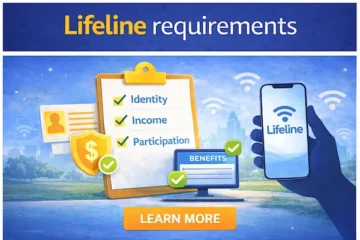
- Gather your documents. Prepare proof of identity, your address, and the eligibility documents that match your qualification path.
- Apply through the official flow. Complete the Lifeline application, and keep your application number or confirmation details saved.
- Search providers in your area. Use USAC’s “Companies Near Me” tool to find participating options by ZIP code, because provider availability is local.
- Compare the real offer details. Look at coverage, data limits, device policy, and whether “free phone” means free now, free with conditions, or discounted.
- Enroll with the provider you chose. After you’re approved, the provider will handle plan activation, shipping if applicable, and ongoing service questions.
- Stay compliant. Watch for recertification notices and keep your contact information current so you don’t lose the benefit unexpectedly.
If you do those steps in order, you’ll avoid the most common frustration, which is applying to a company that doesn’t actually serve your ZIP code.
Also read: Free new government smartphone with Lifeline: what to expect
You’ll also reduce the risk of falling for confusing marketing that mixes Lifeline with unrelated promos like “free phone with a new line.”
Once you’re set up, keep a small note with your provider name, login details, and support contact, because that makes troubleshooting much easier later.
Most importantly, remember you’re not “asking for a handout,” you’re using a real, established affordability benefit designed to keep you connected.
With the right provider match, low income wireless phone service can feel stable again, and that stability is the whole point.